Child safety overview
|
Warning
|
• |
The driver is responsible for ensuring that children travelling in the car are properly restrained. Failure to do so could cause death or serious injury to the child in the event of an accident. |
|
• |
Do not let children sit on your lap. Doing so can cause death or serious injury to the child in the event of an accident. |
|
• |
Do not leave a child alone in the car. The temperature inside the car can rise quickly and could result in death or serious injury to the child. |
|
• |
Do not reuse a child restraint system if the car has been involved in a collision. Doing so can cause death or serious injury to the child in the event of an accident. |
|
• |
Always follow the instructions provided by the manufacturer of the child restraint system you are trying to install. Failure to do so could result in improper installation of the child restraint system, which could result in death or serious injury. |
|
• |
Never use a child seat that is not compatible with the car. Doing so can cause death or serious injury to the child in the event of an accident. |
|
• |
Do not use the ISOFIX/i-Size anchors to secure a child seat if the combined weight of the child and the child seat exceeds 33 kg. Doing so could lead to the ISOFIX/i-Size anchors breaking, resulting in serious injury or death. |
|
• |
Some functions automatically move the driver and/or passenger seat backward. Do not use such functions if a child seat is installed in the rear seat behind the affected seat. Doing so could lead to injury or damage to the car or child seat. |
|
• |
NEVER USE A REARWARD FACING CHILD RESTRAINT ON A SEAT PROTECTED BY AN ACTIVE AIRBAG IN FRONT OF IT, DEATH OR SERIOUS INJURY TO THE CHILD CAN OCCUR. |
|
This section contains information regarding child safety seats. These are not the only systems that protect children inside the car. For information about other systems that help ensure child safety, see Life presence detection and Child locks.
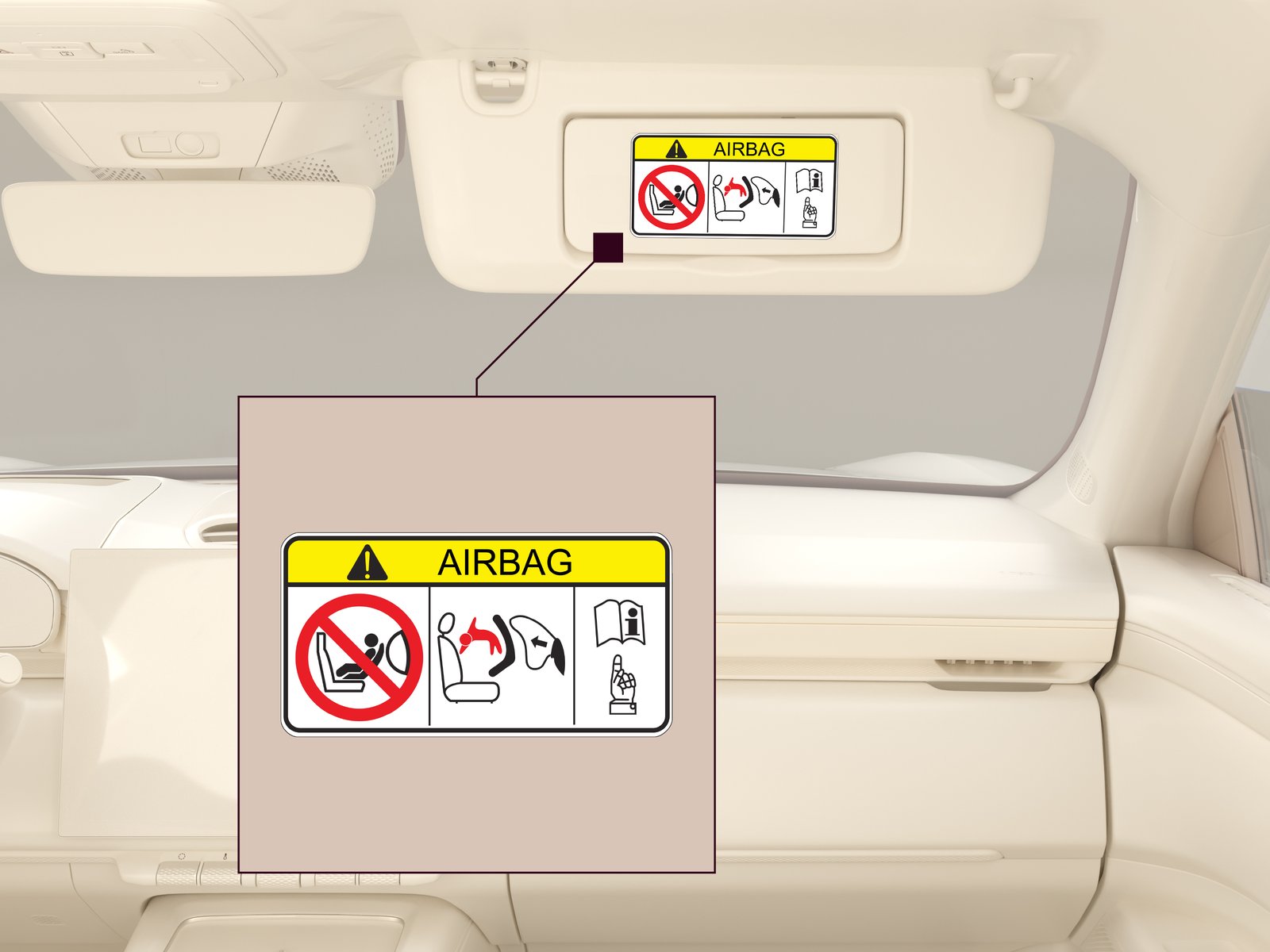
There is a warning label on each side of the sun visor of the front passenger seat to remind you to deactivate the front passenger airbag when using a rearward facing child seat on the front seat.
Note: The driver is responsible for ensuring that the airbag is deactivated or activated, as appropriate.
Child safety seats
Child seats can be installed in this car using two different methods. In addition to the belt-based installation method, this car features ISOFIX fixtures allowing the installation of ISOFIX/i-Size child seats.
We recommend:
Keep your child in a rear-facing child seat for as long as possible (at least until 4 years of age). If they have outgrown the largest size of rear-facing child seat, use a front-facing child seat for as long as possible. If they have outgrown the largest size of front-facing child seat, they should sit in the rear seat with the seat belt fastened, like an adult, rather than sitting in the front seat.
Make sure you are aware of the local laws concerning children and child seats for where you are.
Keep the child seat installation instruction manual in the car for easy access when needed.
Child safety seat installation
|
Warning
|
• |
Do not attach more than one child seat to a single anchor. Child seat anchors can only withstand loads from correctly fitted child seats. Failure to do so could cause the anchor to break and result in death or serious injury. |
|
• |
Do not attach an adult seat belt or harness to an anchor. Failure to do so could cause the anchor to break and result in death or serious injury. |
|
• |
Only use the ISOFIX/i-Size lower anchors, floor anchors, and top tether anchors for attaching compatible child seats. Any other usage could damage or break the anchor points, which could result in death or serious injury. |
|
• |
Do not install any accessories that require the removal of the top tether anchors or that can interfere with the use of the tether straps. Doing so could affect the operation of the child seat restraint system and could result in death or serious injury. |
|
• |
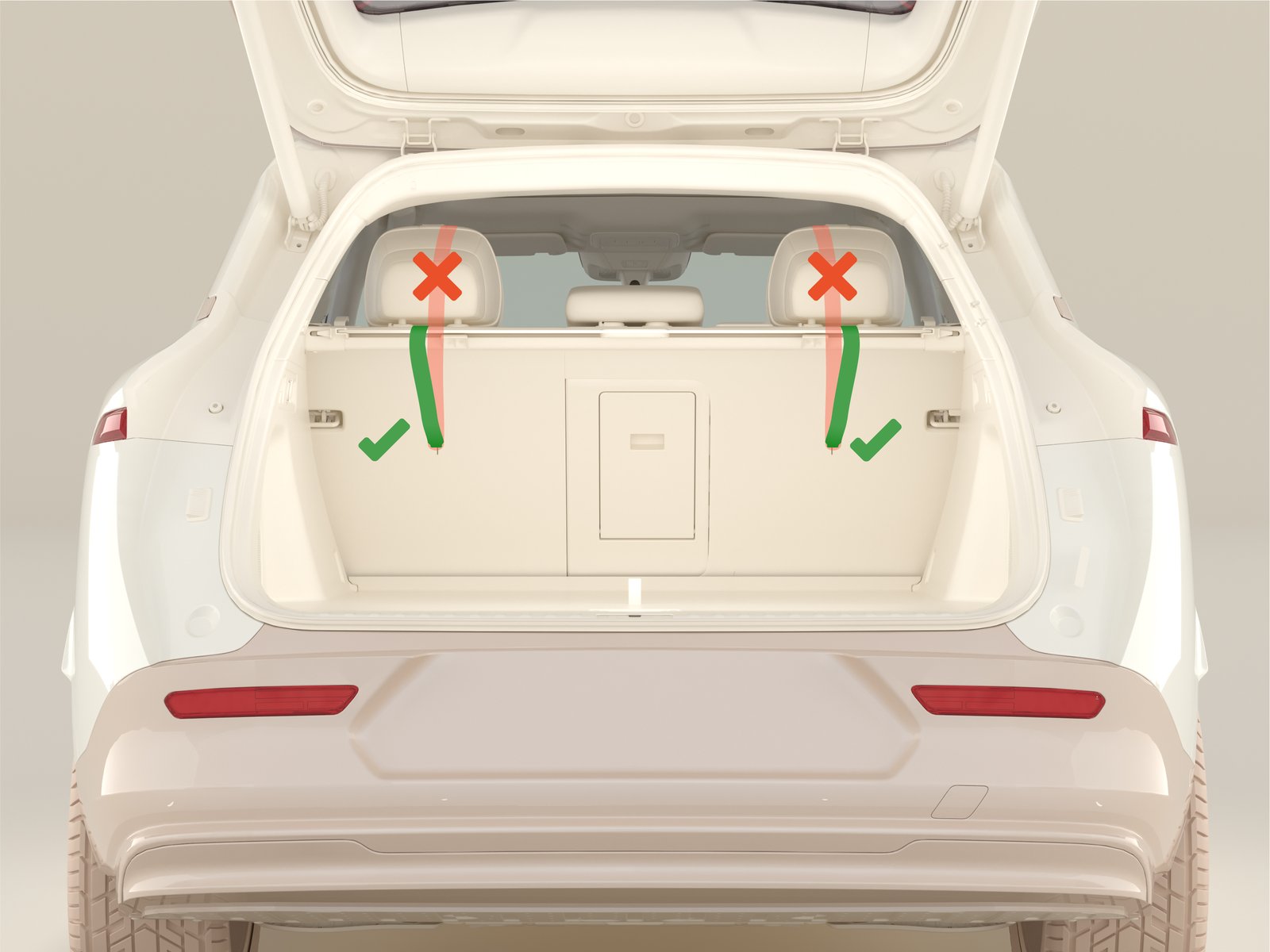
Do not route a top tether strap over the top of the headrest. Doing so could affect the stability of the child seat and could cause death or serious injury to the child in the event of an accident. |
|
|
Caution
|
• |
It is important to install the child seat correctly even when it is not in use. Failure to do so can cause the child seat to get detached from its place when driving and injure the car's occupants or damage the car's interior. |
|
• |
When installing or removing the top tether strap, do not touch any other part in or under the seat than the anchor point. Doing so could result in injury. |
|
When installing a child seat, make sure that:
|
• |
The airbag is disabled if the child seat is being installed in the front passenger seat. See Activate or deactivate the front passenger airbag. |
|
• |
The seat where you want to install the child seat is compatible. See Child seat compatibility. |
|
• |
You follow the child seat manufacturer's instructions. |
|
• |
The child seat sits flat against the seat backrest. |
|
• |
No other seat interferes or interacts with the child seat. |
|
• |
No other seat touches the child when they are sat in the child seat. |
|
• |
If a headrest interferes with a child seat, adjust or remove the headrest accordingly. See Adjust the headrests. |
|
• |
The child seat is secure by firmly shaking it after installation. |
Note: Prolonged child seat installation may damage the car's interior. We recommend using seat protectors or kick guards to alleviate wear on the car's seats.
Belt-based child seat installation
A child seat can be installed in the front passenger seat and the rear seats by using the seat belt.
To install a child seat in the front passenger seat using the seat belt:
|
1. |
Deactivate the front passenger airbag. For information on how to deactivate the front passenger airbag, see Activate or deactivate the front airbags.
|
|
2. |
Move the front passenger seat to the highest position.
|
|
3. |
Secure the child seat with the car's belt according to the child seat manufacturer's instructions.
|
|
4. |
Tighten the seat belt by pulling it in around the child seat.
|
|
5. |
Make sure that the child seat is securely installed by pulling it away from the seat and shaking it from side to side.
|
To install a child seat in the rear seat using the seat belt:
|
1. |
Secure the child seat with the car's belt according to the child seat manufacturer's instructions.
|
|
2. |
Tighten the seat belt by pulling it in around the child seat.
|
|
3. |
Make sure that the child seat does not touch the front seat.
|
|
4. |
Make sure that the child seat is securely installed by pulling it away from the seat and shaking it from side to side.
|
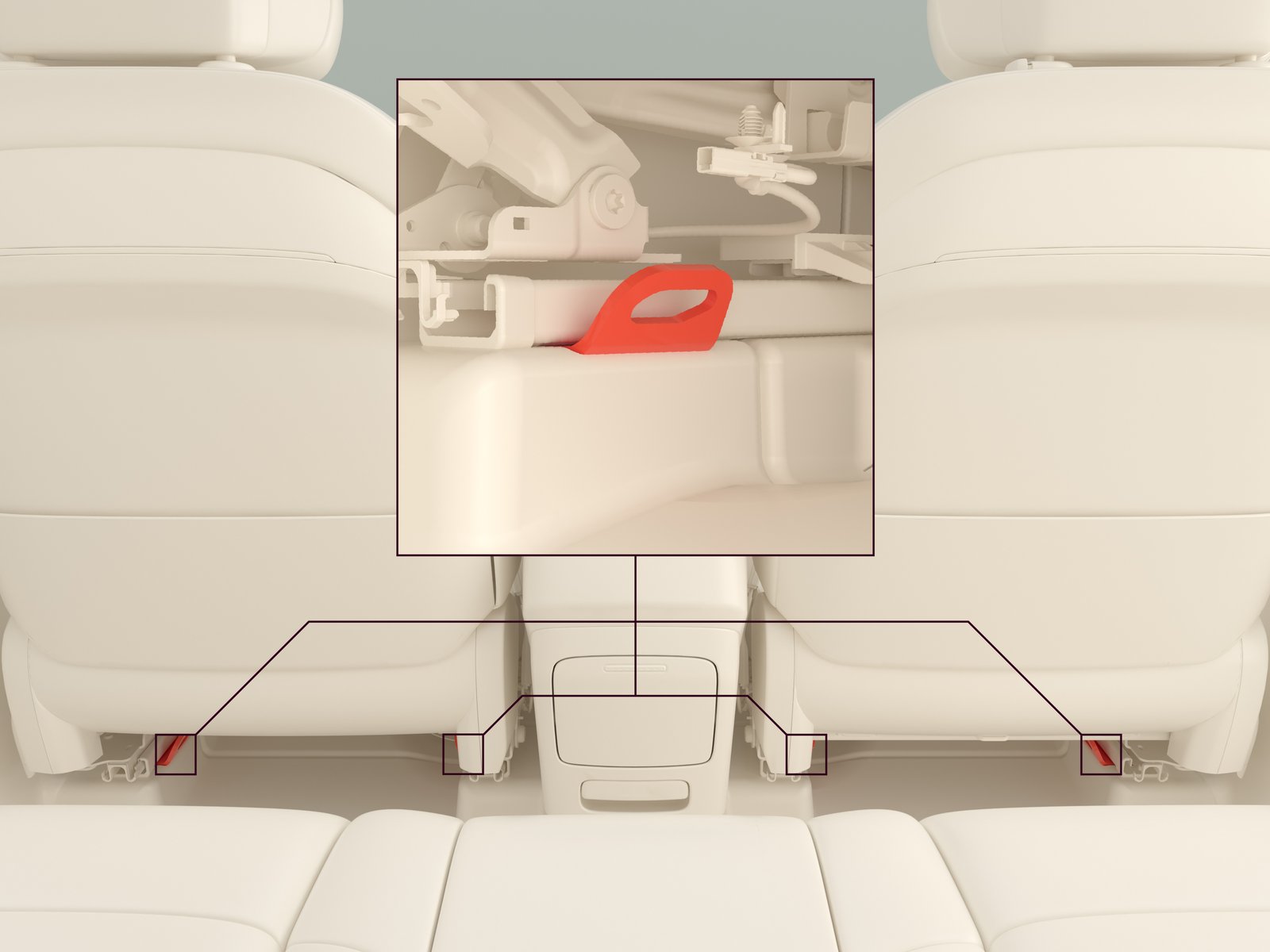
The front seat floor rails are equipped with floor anchors, for child seats installed in the outer rear seats.
To install a child seat using the floor anchors:
|
1. |
Install the child seat in the outer rear seat according to the child seat manufacturer's instructions.
|
|
2. |
Attach the lower tether strap(s) to the anchor point(s) following the instructions provided by the child seat manufacturer.
|
|
3. |
Make sure that the child seat is securely installed by pulling it away from the seat and shaking it from side to side.
|
Note: Never attach top tether straps to the floor anchors.
ISOFIX child seat installation
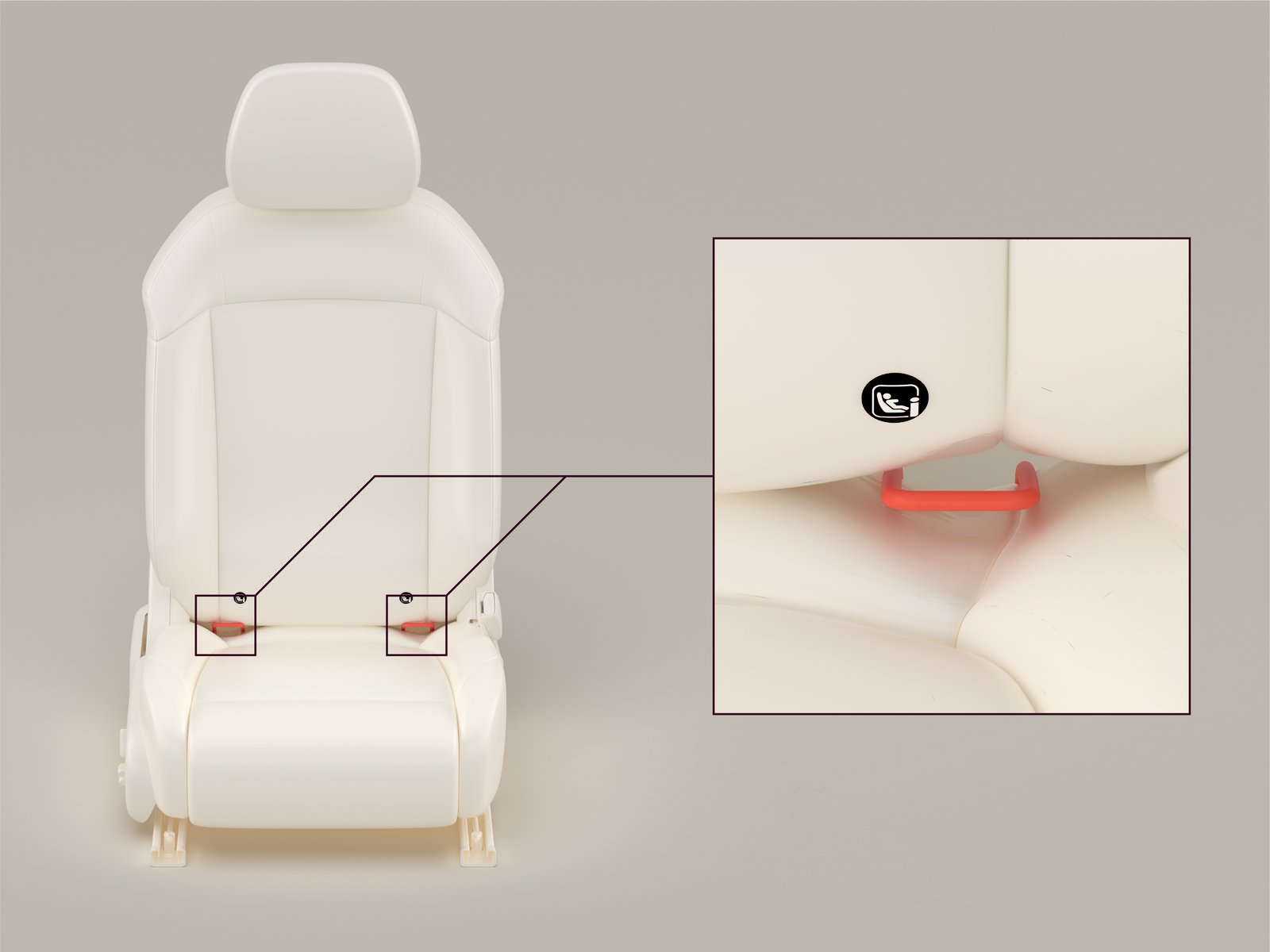
The outer rear seats and the front passenger seat are equipped with ISOFIX/i-Size lower anchors and top tether anchors.
ISOFIX child seat installation in the front passenger seat
The ISOFIX/i-Size lower anchors of the front passenger seat are located between the seat backrest and cushion.
To install a child seat in the front passenger seat using the ISOFIX/i-Size lower anchors:
|
1. |
Deactivate the front passenger airbag. For information on how to deactivate the front passenger airbag, see Activate or deactivate the front passenger airbag.
|
|
2. |
Place the child seat on the front passenger seat.
|
|
3. |
Attach the child seat to the ISOFIX/i-Size anchor point(s) according to the child seat manufacturer's instructions.
|
|
4. |
Make sure that the child seat is securely installed by pulling it away from the seat and shaking it from side to side.
|
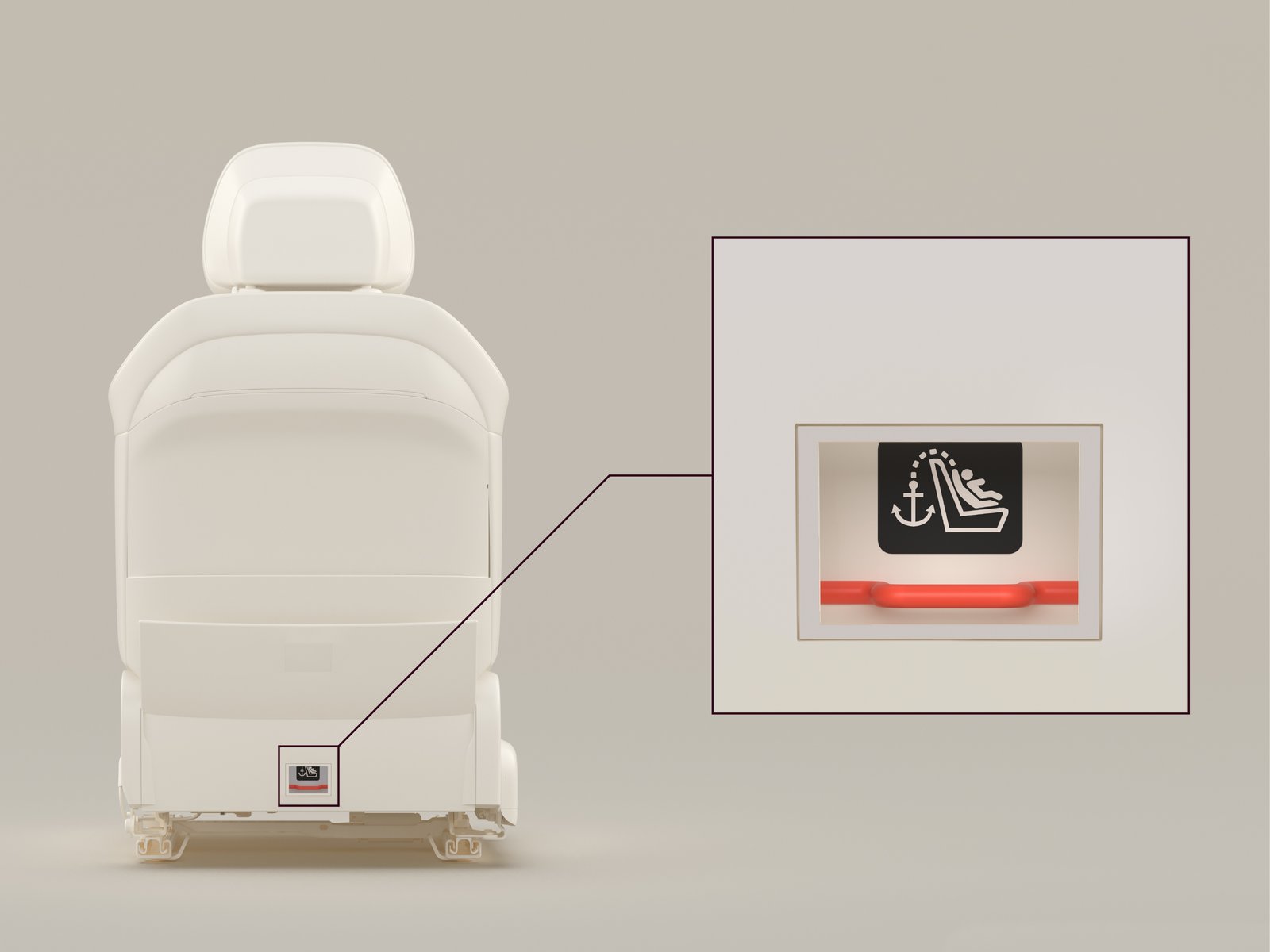
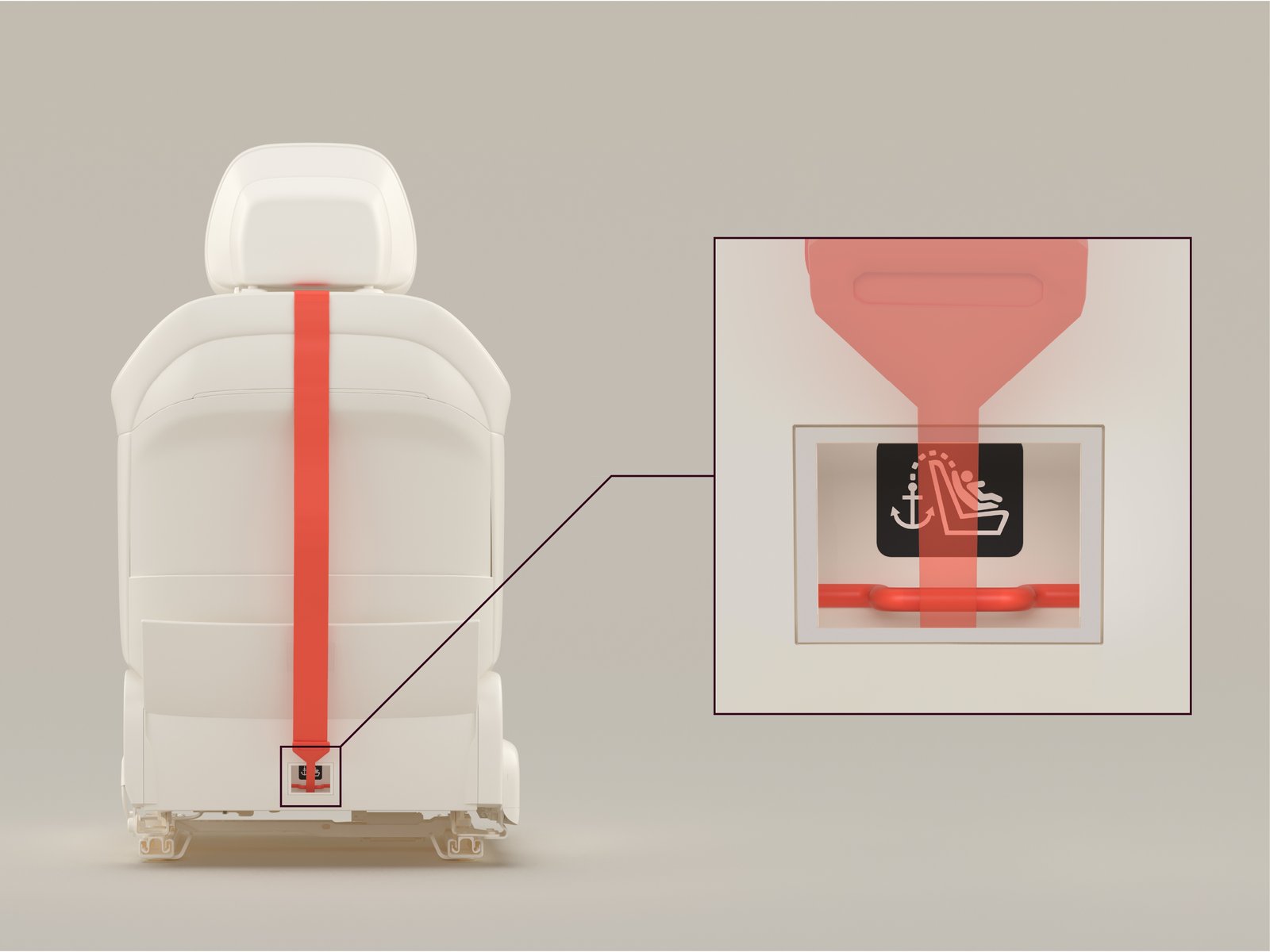
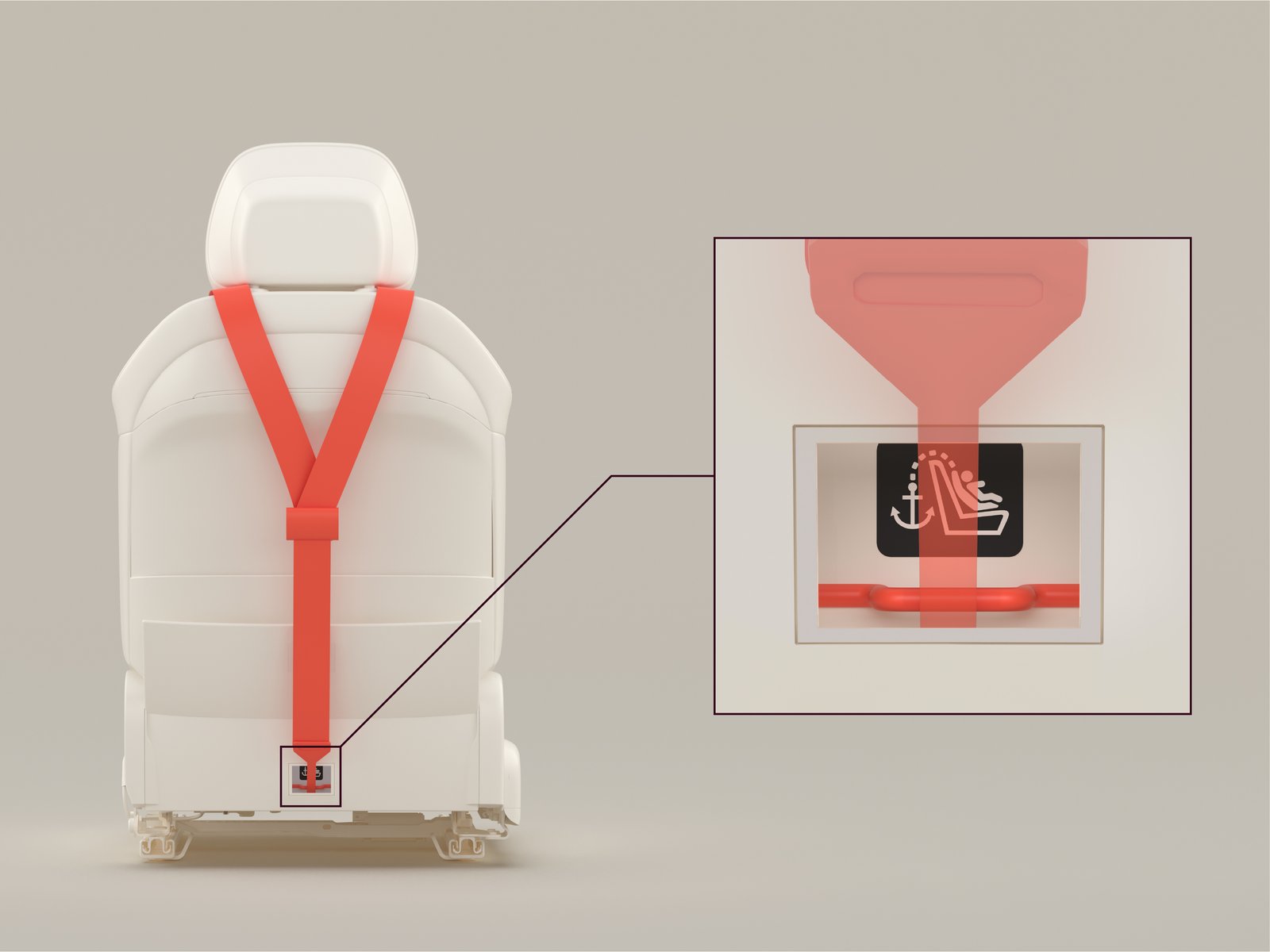
The top tether anchor of the front passenger seat is located on the rear bottom part of the backrest. Access it by lifting the bottom part of the upholstery.
To use the front passenger seat top tether anchor:
|
1. |
Install the child seat on the front passenger seat according to the child seat manufacturer's instructions.
|
|
2. |
Route the top tether strap through the headrest rods, adjusting the headrest if necessary.
Note: If the child seat has a y-strap for the top tether anchor, route the straps either side of the headrest.
|
|
3. |
Attach the top tether strap to the top tether anchor.
|
|
4. |
Tighten the top tether strap following the instructions provided by the child seat manufacturer.
|
|
5. |
Make sure that the child seat is securely installed by pulling it away from the seat and shaking it from side to side.
|
ISOFIX child seat installation in the outer rear seats
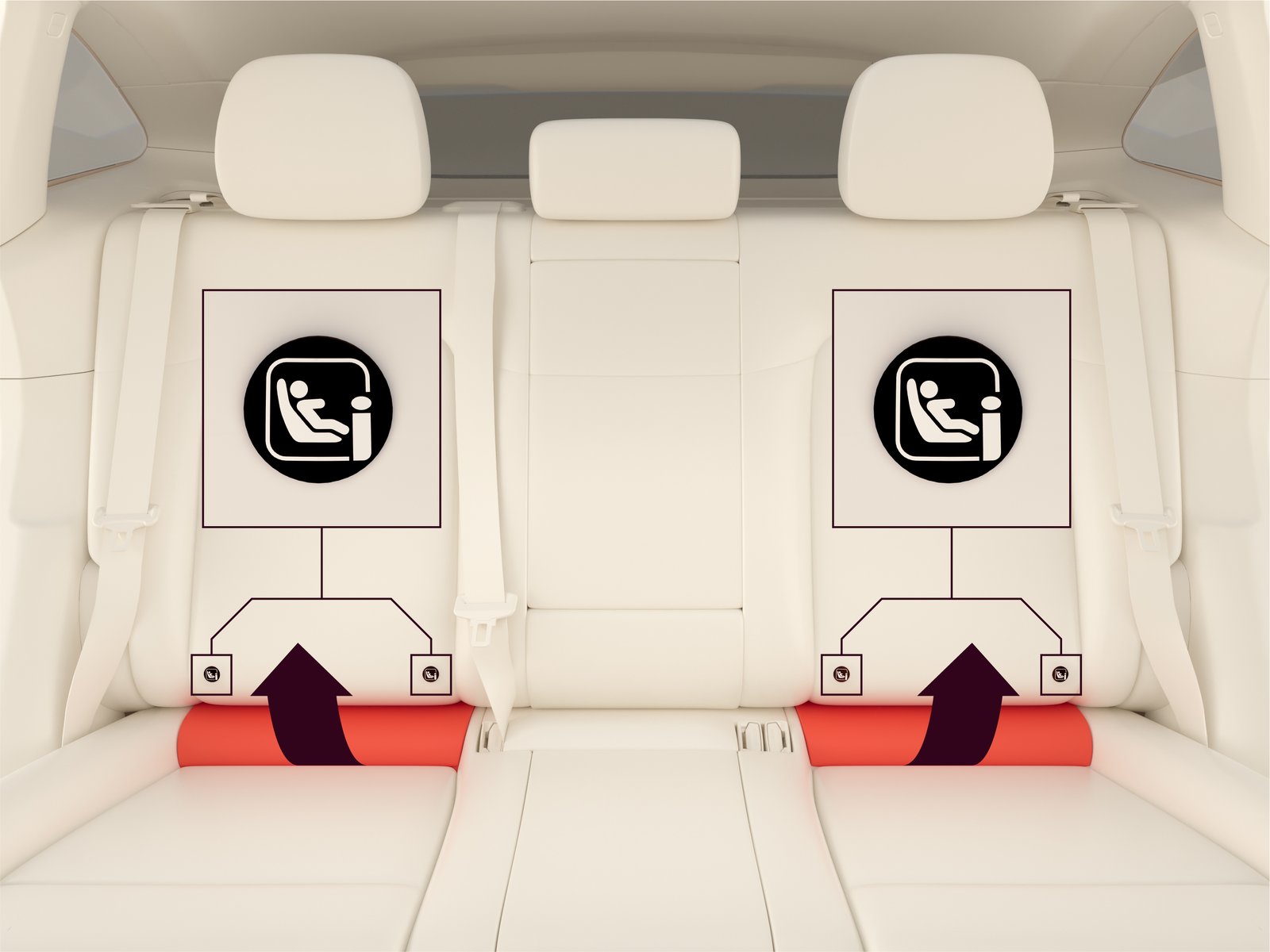
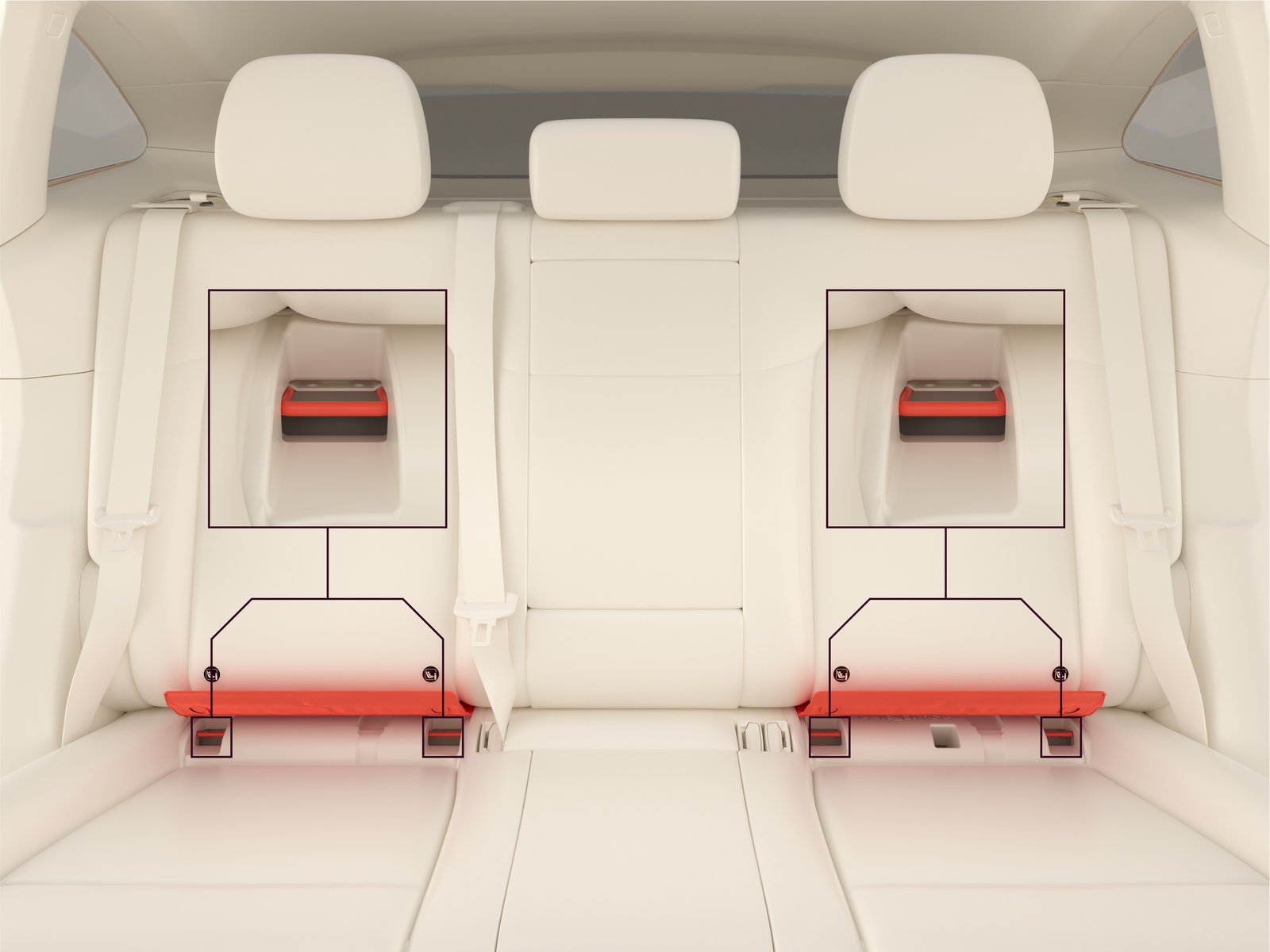
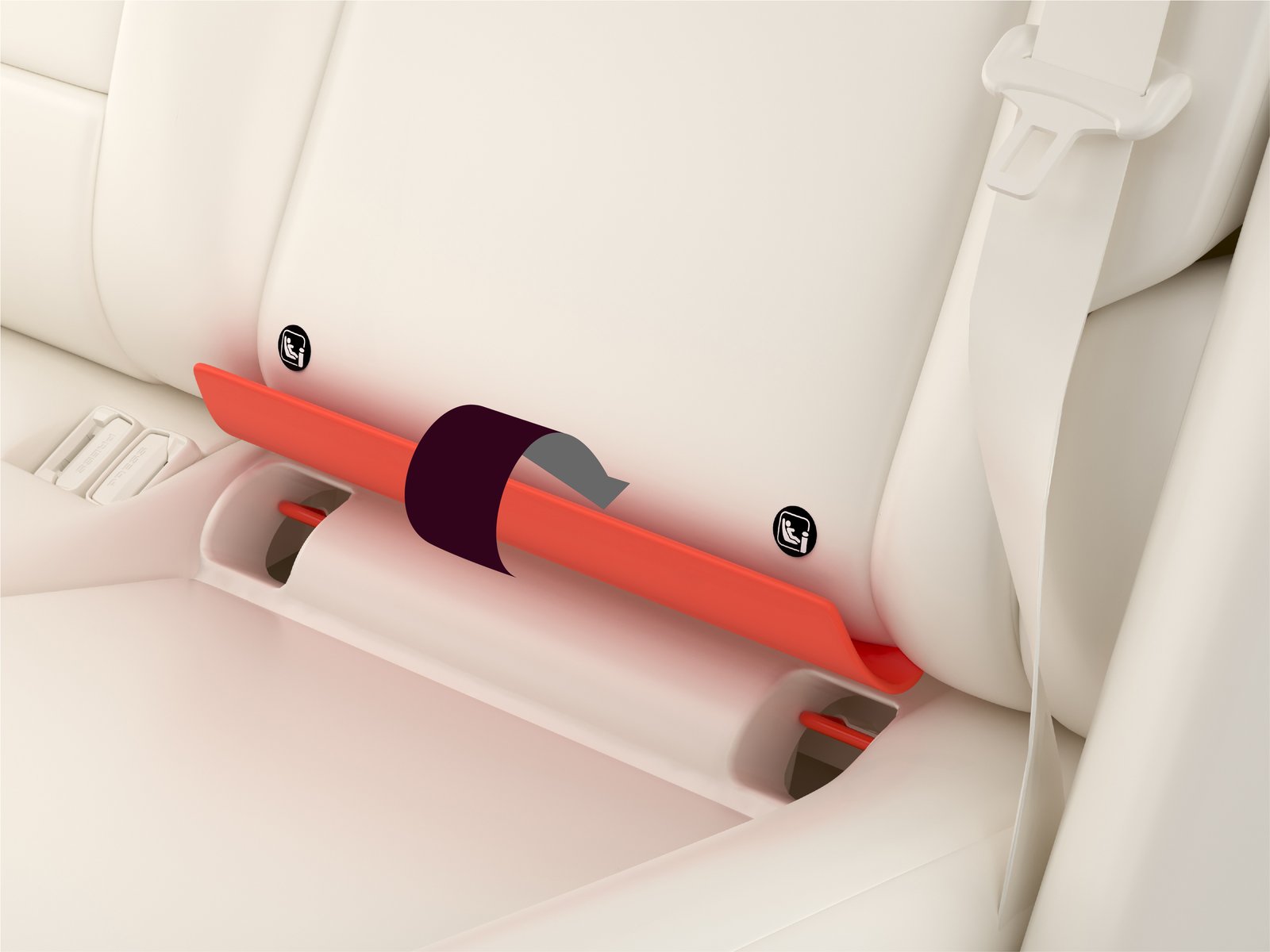
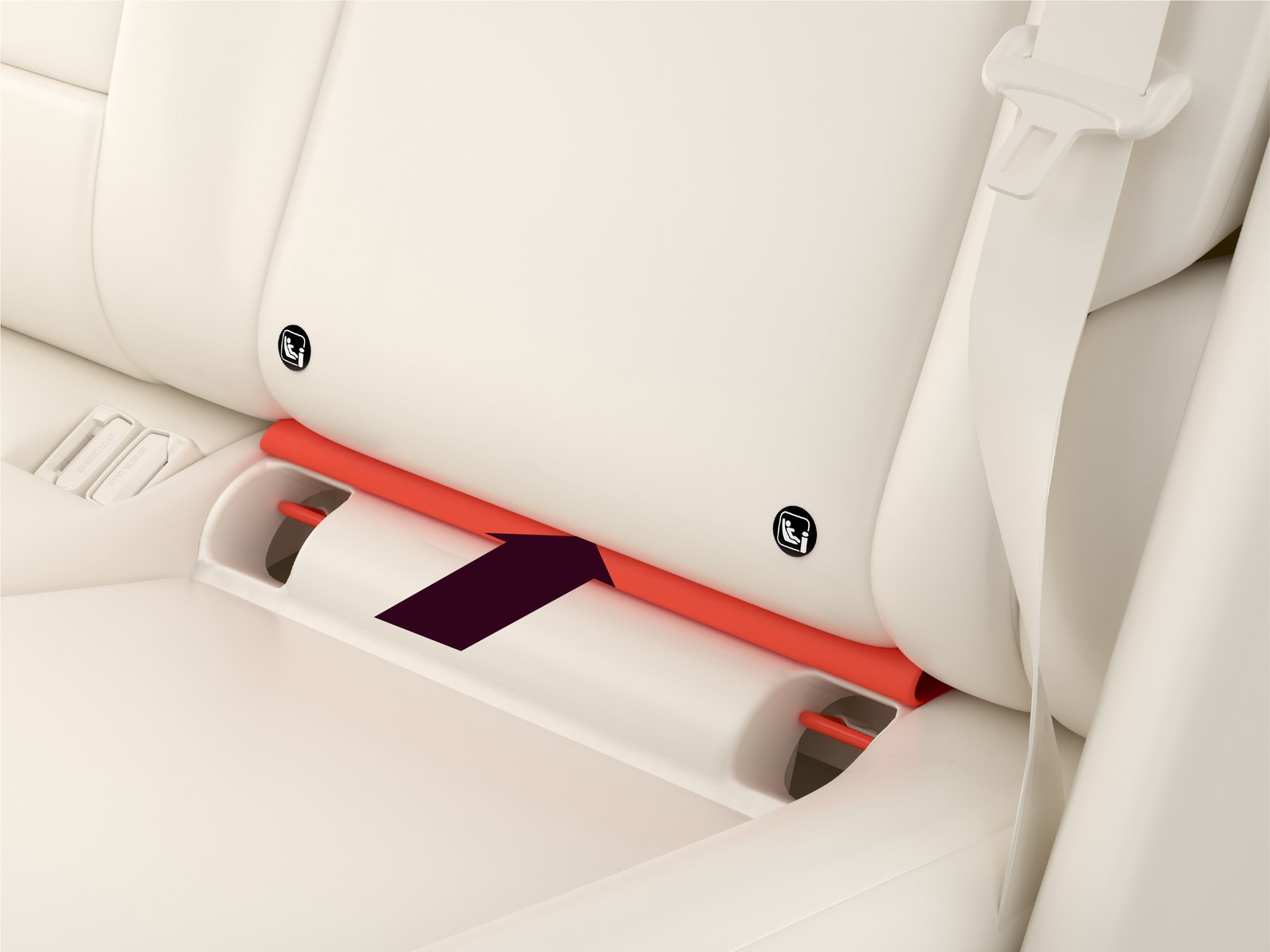
The ISOFIX/i-Size lower anchors of the outer rear seats are located between the seat backrest and cushion.
To install a child seat in an outer rear seat using the ISOFIX/i-Size lower anchors:
|
1. |
Fold the lower anchor cover over itself.
|
|
2. |
Insert the cover into the gap between the seat cushion and the backrest.
|
|
3. |
Place the child seat on one of the car's outer rear seats.
|
|
4. |
Attach the child seat to the anchors according to the child seat manufacturer's instructions.
|
|
5. |
Make sure that the child seat is securely installed by pulling it away from the seat and shaking it from side to side.
|
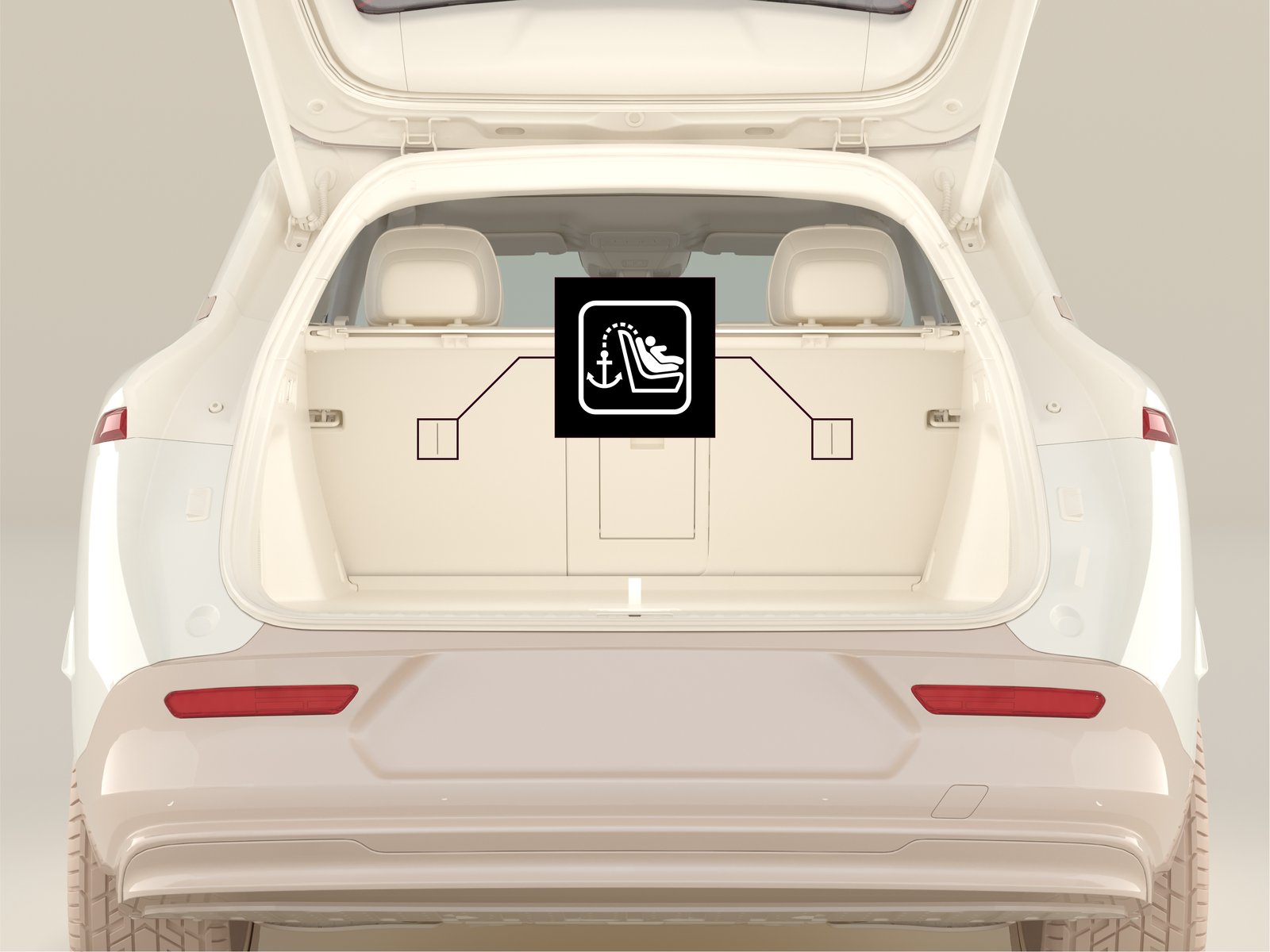
The top tether anchors of the outer rear seats are located on the rear side of the backrests.
To use the outer rear seat top-tether anchors:
|
1. |
Install the child seat on one of the car's rear outer seats according to the child seat manufacturer's instructions.
|
|
2. |
Route the top tether strap through the headrest rods, adjusting the headrest if necessary.
Note: If the child seat has a y-strap for the top tether anchor, route the straps either side of the headrest.
|
|
3. |
Attach the top tether strap to the top tether anchor.
|
|
4. |
Tighten the top tether strap following the instructions provided by the child seat manufacturer.
|
|
5. |
Make sure that the child seat is securely installed by pulling it away from the seat and shaking it from side to side.
|
Child seat compatibility
The table shows the appropriate locations in the car where different types of child seats can be installed.
| |
Front passenger seat (passenger airbag off) |
Front passenger seat (passenger airbag on) |
Outer rear seats |
Center rear seat |
| Seating position suitable for universal belted |
Yes1 |
No |
Yes |
Yes |
| i-Size seating position |
Yes |
Yes2 |
Yes |
No |
| Seating position suitable for lateral fixture |
No |
No |
No |
No |
| Largest suitable rearward facing fixture |
ISO/R3 |
No |
ISO/R3 |
No |
| Largest suitable forward facing fixture |
ISO/F3 |
Yes |
ISO/F3 |
No |
| Largest suitable booster fixture |
ISO/B3 |
Yes |
ISO/B3 |
No |
| Seating position suitable for support leg |
Yes |
Yes |
Yes |
No |
1Only when the front passenger seat is adjusted to the highest position.
2Suitable for a forward-facing child seat. Check the compatibility of the child seat with the child seat manufacturer.
Recommended child seats
The tables in this section show recommended child seats for this car, with seat belt attachments and with ISOFIX/i-Size attachment.
ECE-R.129 classification based on child height:
| Child height |
Manufacturer |
Type |
Attachment method |
| 40–105 cm |
Maxi-Cosi |
Pearl 360 & FamilyFix 360 |
ISOFIX + Support leg |
| 61–105 cm |
BeSafe |
iZi Kid X2 i-Size |
ISOFIX + Support leg |
| 100–150 cm |
Britax |
Kidfix i-Size1 |
ISOFIX + Belt |
1The crotch belt and seat belt cover should be used. For SecureGuard use, ensure the lap belt is in the SecureGuard, while keeping the diagonal belt outside the SecureGuard. For XP-PAD use, ensure the XP-PAD is installed correctly. For full installation instructions, see the child seat manufacturer's instructions.
ECE-R.129 classification based on child weight:
| Child weight |
Manufacturer |
Type |
Attachment method |
| 22–36 kg |
Graco |
Booster Basic R129 |
Belt |